
Staying safe with AI
When AI Listens but a Human Understands: Why Real Human Mental Health Support Is Essential
In recent years, artificial intelligence has become an increasingly common source of emotional support. From wellness apps and AI chatbots to virtual companions available 24 hours a day, many people are turning to technology when they're feeling anxious, overwhelmed, lonely, or low. Research suggests that over a third of adults have already used AI-powered tools for mental health support, with younger generations leading the way.
It's easy to understand why.
AI is available instantly. It doesn't have a waiting list. It doesn't sleep. It doesn't appear to judge. For someone struggling at 3am with racing thoughts, it can feel like a lifeline.
But while AI can be a useful source of information, coping techniques, and signposting, there is an important distinction that must not be overlooked:
AI can provide responses. Human counsellors provide relationships, safety, and professional care.
Why Are People Turning to AI?
The growth of AI in mental health isn't surprising.
Many people face long waiting times for support. Others worry about stigma or feel uncomfortable opening up to another person. Some simply cannot afford private therapy and see AI as a free alternative.
For these individuals, an AI chatbot can feel like "something rather than nothing."
And in some situations, that may indeed be helpful.
AI can offer:
-
Self-help information
-
Grounding and relaxation exercises
-
Journalling prompts
-
Psychoeducation about common mental health challenges
-
Signposting to support services
These tools can have value as part of someone's wellbeing toolkit.
The difficulty begins when AI is treated not as a support tool, but as a replacement for professional counselling.
The difference between being responded to and being truly seen
One of the most powerful aspects of counselling is something that cannot be programmed into an algorithm: genuine human connection.
A professional counsellor doesn't simply respond to words on a screen. They witness your experience. They sit with your emotions, notice your reactions, and create a safe relational space where healing can take place.
AI may produce phrases that sound empathetic: "I'm sorry you're feeling that way."
But empathy is more than language. Real empathy involves another human being using their experience, training, intuition, and understanding to connect with your emotional reality. The therapeutic relationship itself is often a significant part of the healing process.
For many clients, change happens not because they received advice, but because they felt genuinely heard, understood, and accepted.
What AI Cannot See
Communication is about far more than words.
Experienced counsellors pay attention to:
-
Tone of voice
-
Pace of speech
-
Long silences
-
Body language
-
Facial expressions
-
Changes in mood or energy
-
Emotional responses that may not be consciously expressed
Sometimes what a person doesn't say is just as important as what they do say. A client may tell a counsellor they are "fine" while their body language reveals exhaustion, fear, grief, or distress.
AI cannot observe these signals. It processes text and patterns. It cannot notice the trembling voice, the tear that appears unexpectedly, or the pause that signals something important is emerging.
These nuances are often where the most meaningful therapeutic work begins.
When Safety Matters Most
Perhaps the most important difference between AI and professional counselling is safeguarding.
Mental health is rarely straightforward. People may present with anxiety that is actually rooted in trauma. Depression may be linked to abuse, bereavement, addiction, domestic violence, or significant life events.
Professional counsellors are trained to assess risk, recognise warning signs, and respond appropriately when someone is vulnerable.
They work within ethical frameworks, receive supervision, undertake ongoing professional development, and operate with a clear duty of care. They abide by their code of ethics, for example those that are enforced by professional bodies like the BACP and UKCP.
AI has none of these responsibilities.
Although AI systems continue to improve, emerging concerns from mental health professionals highlight that chatbots can sometimes miss signs of crisis, misunderstand complex situations, or provide responses that are inappropriate for the level of risk involved.
When someone is facing serious emotional distress, suicidal thoughts, self-harm, abuse, or safeguarding concerns, professional human support is not just preferable, it's essential.
The Risk of the "Always Agreeing" Companion
Another challenge with AI is that it is often designed to be helpful, agreeable, and reassuring.
On the surface, this feels comforting. However, therapeutic growth rarely comes from validation alone. Sometimes people need gentle challenge. A skilled counsellor may help a client recognise unhelpful thinking patterns, explore blind spots, or consider perspectives they haven't previously seen. This isn't confrontation. It's part of supporting meaningful change.
An AI system, however, may be more likely to reinforce a person's existing beliefs because it is designed to keep the conversation going and maintain engagement.
In counselling, growth often happens through reflection, exploration, and challenge—not simply agreement.
Human Support Creates Long-Term Understanding
Counselling isn't a series of disconnected conversations. Over time, a counsellor develops a deeper understanding of a person's history, relationships, triggers, strengths, and recurring patterns. They begin to recognise connections between present struggles and past experiences. They notice themes. They build context. This deeper understanding helps create meaningful and lasting change. While AI systems can retain information to varying degrees, they do not build the same relational understanding that develops through an ongoing therapeutic relationship.
AI Has a Place - But It Has Limitations
This is not an argument against technology. Used appropriately, AI can be incredibly useful. It can help people access information, learn coping strategies, keep wellbeing journals, and take early steps towards recognising that they need support. But there is a significant difference between receiving information and receiving therapy.
Information can tell you what anxiety is.
Counselling can help you understand why your anxiety exists.
Information can suggest breathing exercises.
Counselling will help you unpack the life experiences, losses, relationships, or traumas that may be driving your distress.
One informs.
The other transforms.
A Message for Anyone Who Has Been Relying on AI
If you've been using an app or chatbot to manage your feelings and things still feel difficult, you are not failing. You are experiencing something entirely human. Mental health challenges are often complex, personal, and deeply rooted in life's experiences. They deserve care, compassion, and professional understanding.
AI can provide information.
It can offer suggestions.
It can be a useful tool.
But it cannot replace the safety, accountability, ethical responsibility, and genuine human connection that professional counselling provides.
Sometimes the most important thing isn't finding the right answer.
It's finding the right person to walk alongside you while you discover it.
At The Counselling & Family Centre
We believe everyone deserves access to support that is safe, compassionate, and professionally grounded in regular supervision and scrutiny.
If you're struggling with anxiety, low mood, depression, stress, loss, relationship difficulties, or other emotional challenges, you don't have to navigate them alone.
Technology can support wellbeing, but when life becomes overwhelming, there is no substitute for being heard, understood, and supported by another human being.
Because healing happens in relationships, not algorithms.
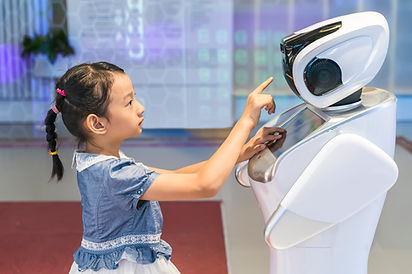
"The difficulty begins when AI is used as a replacement for professional counselling"
"AI cannot observe the trembling voice, the tear that appears unexpectedly, or the pause that signals something important is emerging."
